


Menu
Your Cart

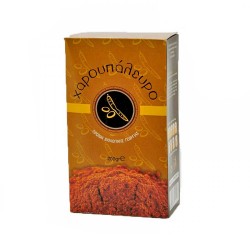
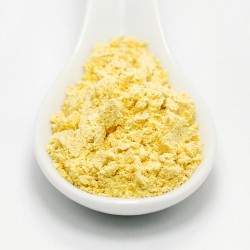
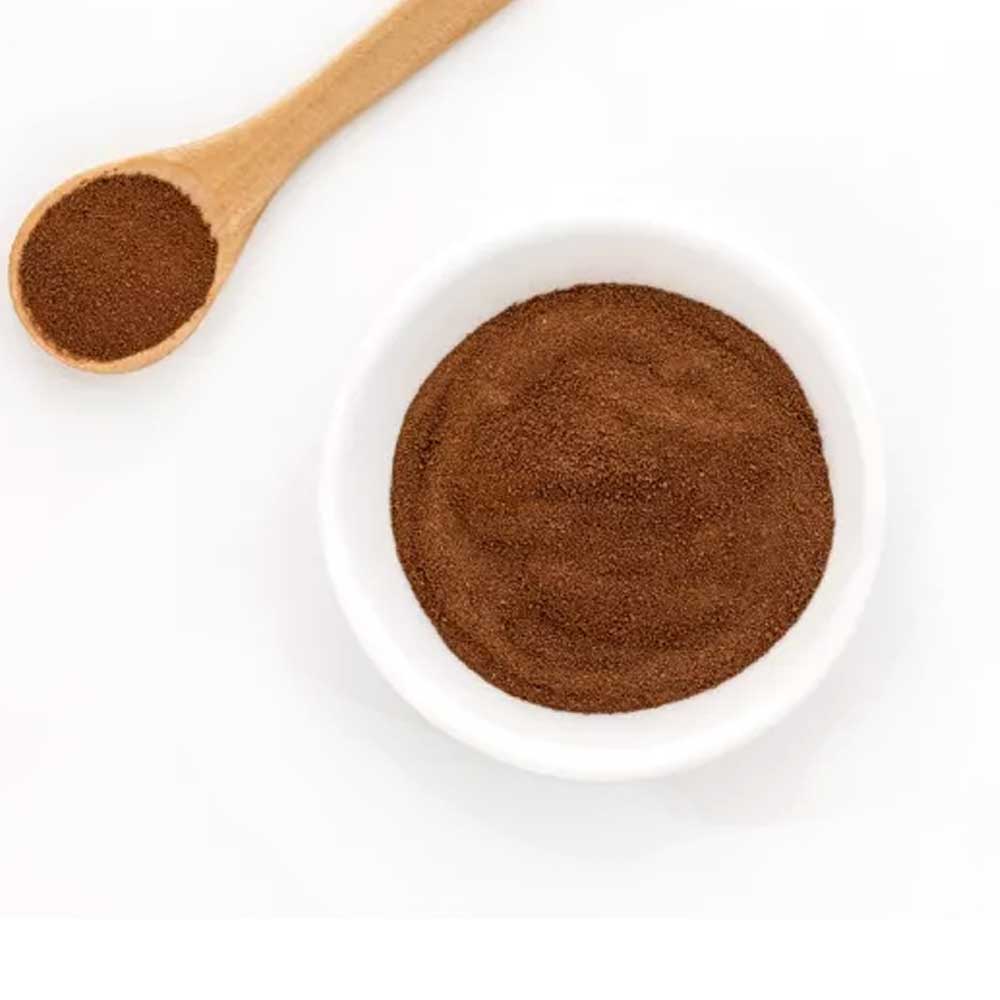
GANODERMA (REISHI) POWDER BIO 100gr.

GANODERMA (REISHI) POWDER BIO 100gr.
7.90€
Ex Tax: 7.90€
  • Stock: In Stock
  • Model: ΒΙΟ-020

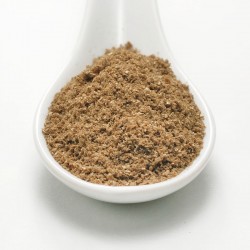
GANODERMA (REISHI) POWDER 100g ...the miraculous mushroom!

Organic farming product from China.

Ganoderma (Reishi) mushroom powder provides an easy and effective way to enjoy the benefits of one of nature's most revered medicines. Reishi can help eliminate harmful toxins from the body and increase the production and protection of white blood cells. It is also an excellent stress reliever and can be combined with a relaxing tea or a nourishing soup.


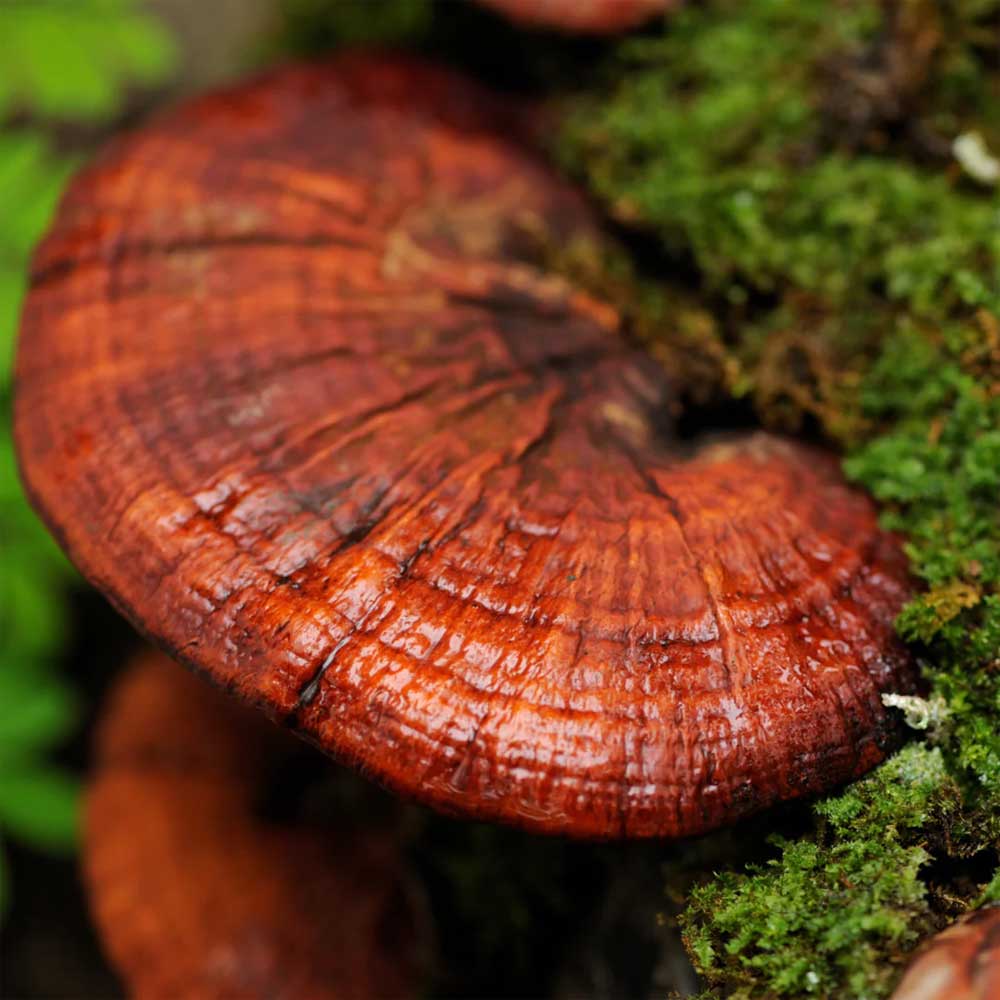
Reishi mushroom (ganoderma) is an ancient Eastern medicine that has been used for hundreds of years. Originally found in the remote mountain forests of China, Japan and Korea, wild Reishi mushrooms seek out moist, shady conditions found at the bases and lower trunks of deciduous broadleaf trees. When fresh, they are soft and corky with a striking flat red cap.

The Reishi mushroom is defined as a polypore - a term given to a type of fungus that does not have gills on its underside, but releases its spores through a group of small pores. While the name reishi comes to us from Japan, the common name for the mushroom comes from two Greek words: Γάνος, meaning brightness, and derma (skin). The species name, lucidum, is Latin (meaning shiny) and so both parts of the name refer to the plant's naturally shiny surface. There are six different types of Ganoderma lucidum: red, purple, green, white, yellow and black. The red mushroom is said to possess the most healing properties.

The Chinese name, Ling Zhi, is more related to the use of reishi than to its appearance. '' Herb of spiritual power' ', so it literally translates and occupies a prominent place in the oldest medicinal material of China . It has been documented that the continuous consumption of Reishi illuminates the body, strengthens the life qi (energy flow) and prolongs the signs of aging . A legend says that, when the reputation of Reishi became known as the " mushroom of immortality ", Emperor Ti of the Qin Dynasty, sent a fleet of ships to the East manned by 300 strong men and 300 beautiful women with the mission of bringing this magical plant to his kingdom.
Due to its relative rarity in the wild, the use of reishi throughout Chinese history was usually limited to the emperor, his court, and the wealthy upper classes. It also became a cultural icon, prominently featured in many works of art, clothing, and ornaments. It is used as a charm for a long and healthy life.

Today, Reishi is cultivated to become widely available as a medicinal mushroom with multiple health benefits . As modern science continues to test centuries of herbal wisdom, reishi's popularity as a superfood continues to grow.

PROCESSING

Reishi Mushroom is grown in a planting base located in Qingyuan City. Known as the "mushroom city" of China, it has also been recognized as the best ecological environment in the country. It has exported products to Europe and the US for over 15 years and is a technological leader in mushroom cultivation. Temperature, humidity, carbon dioxide, light intensity and nutrients are closely monitored to maintain optimal growth conditions.


HEALTH BENEFITS

Immune system - Cancer
Research from chemistry and pharmacology into the therapeutic properties of the Reishi mushroom has been extensive.
Its active ingredients have been shown to be very beneficial and come from complex sugar molecules known as polysaccharides that are made in the cell walls of the mushroom. Specifically, the polysaccharides, known as beta-D-glucans, boost the immune system by increasing the activity of macrophages (large white blood cells) that engulf harmful microorganisms and damaged cells. This is what makes reishi so useful because it helps protect against serious diseases such as cancer . Several studies have identified that the polysaccharides in reishi help suppress the growth and migration of cancer cells in the body.

Reishi is also beneficial for patients undergoing chemotherapy and radiotherapy, as it has been shown to counteract many of the side effects, strengthening the weakened body and immune system. As a result of these discoveries, the Japanese government officially recognizes Reishi as a cancer treatment . Its role in the treatment of HIV/AIDS, hepatitis and diabetes also appears positive in the light of medical research.


Ganoderma (Reishi) - Protects against DNA damage - Relieves anxiety & insomnia.

Additionally, Reishi mushroom demonstrates protective properties against radiation and dangerous UV rays. By protecting against DNA damage, the mushroom has been linked to slower skin aging and an overall more youthful appearance.
Another important health component in Reishi is the presence of triterpene compounds. These have anti-inflammatory properties that can relieve symptoms of asthma and other respiratory problems. They also inhibit the release of histamine in the body, making reishi an effective treatment for allergic reactions . Triterpenes are believed to be responsible for producing a calming effect on the nervous system and relieving stress by strengthening the adrenal glands. Reishi is therefore a sought-after remedy for anxiety and insomnia.


HOW TO USE:

Up to 2g (about a teaspoon ) twice a day in soups, risottos, in any recipe with mushrooms, in juice, etc.

Special precautions:

Some studies on reishi mushroom have reported that several months of taking it is probably safe. However, some others have reported cases of liver damage associated with reishi extract after months of use. That is why some experts recommend daily use of ganoderma for one month and then stop. It is best avoided by pregnant women, nursing mothers, and those suffering from blood disorders.

Indicative bibliography:

  1. Cancer Prevention and Treatment by Ganoderma, a Mushroom with Medicinal Properties
  2. Ganoderma lucidum (Reishi) in cancer treatment
  3. Cellular and molecular mechanisms of immuno-modulation by Ganoderma lucidum
  4. Hypoglycemic effects of Ganoderma lucidum polysaccharides in type 2 diabetic mice
  5. A randomized, double-blind and placebo-controlled study of a Ganoderma lucidum polysaccharide extract in neurasthenia