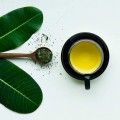
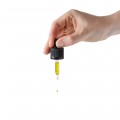
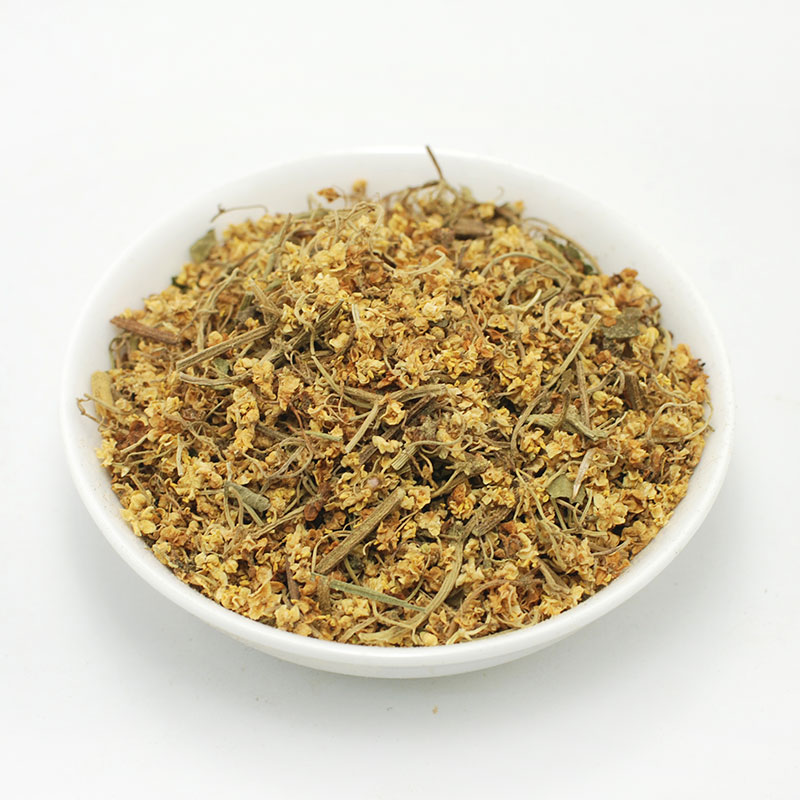
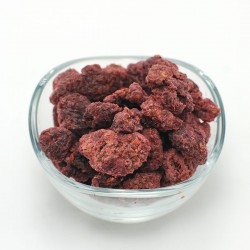
The flowers of the Sambucus plant, commonly known as elderflowers, are used in a variety of traditional medicinal practices and culinary applications. They are known for their delicate aroma and distinctive flavor. Elderflower preparations, such as teas, tinctures, and syrups, are made from the flowers and are believed to offer a variety of potential benefits:
Immune system support : Elderberry flowers are often used to support the immune system, particularly during cold and flu seasons. It is believed to have antiviral and antibacterial properties that may help reduce the duration and severity of respiratory infections.
Respiratory health: Elderberry is also used to support respiratory health. It is believed to help relieve symptoms of coughs, colds, and allergies by soothing irritation and promoting healthy mucus production.
Anti-inflammatory effects: Elderberry has been traditionally used for its anti-inflammatory properties. It can help reduce inflammation in the body, potentially providing relief from conditions like arthritis and joint pain.
Diuretic and detoxifying properties: Elderberry is considered a mild diuretic, meaning it can help increase urine production and promote detoxification . It is sometimes used as a natural treatment for water retention and as a mild cleanser for the kidneys and urinary tract.
How is it used: the flowers as an infusion: 1 teaspoon in 1 cup of water for 5-10 minutes. Drink 2-3 times a day.
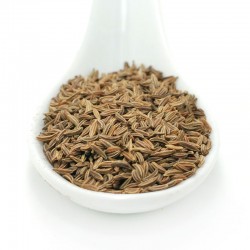
Cumin, (Carum carvi), Carraway, Wild Cumin The use of wild cumin, which is botanically related to fennel, appears to date back to the ancient Arabs. T..
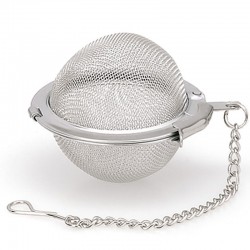
Stainless steel tea strainer with chain (diam. 4.5 cm) Excellent quality stainless steel filter that gives the tea brewing process a touch of beauty a..
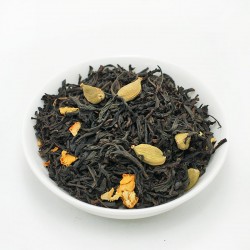
ORIENTAL, Ceylon black tea, with Orange & Cardamom Oriental, sweet flavor. An unusual combination that captivates those who try it. Method of preparat..
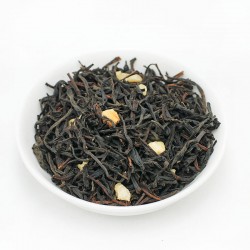
ALMOND & HONEY, Ceylon black tea with almond pieces. Sensual taste, with a smell reminiscent of the Far East. Method of preparation: QUANTITY (for a 2..
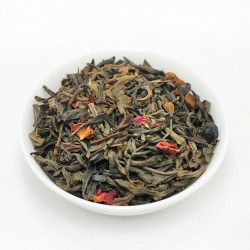
WILD CHERRY & CINNAMON A, Chinese green tea with wild cherry, cinnamon, chokeberry, myrtles and wild rose. A perfect combination of intoxicating cinna..
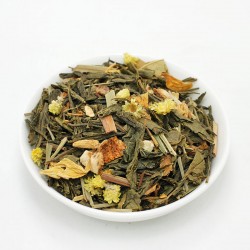
ENERGY TEA, Chinese green tea, with lemongrass & ginseng Contains green tea, ginseng, guarana, lemongrass, lemon peel, sunflower, helichrysum flower. ..
RASPBERRIES (RASPBERRIES) osmotic X/Z New arrival with increased price! It is very tasty , with a sweet, slightly sour, fruity, aromatic taste , and v..