


- Stock: In Stock
- Model: BAM-34
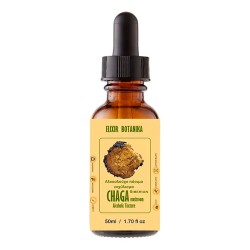
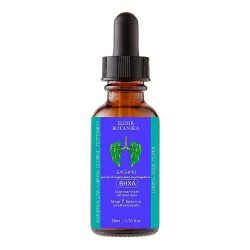
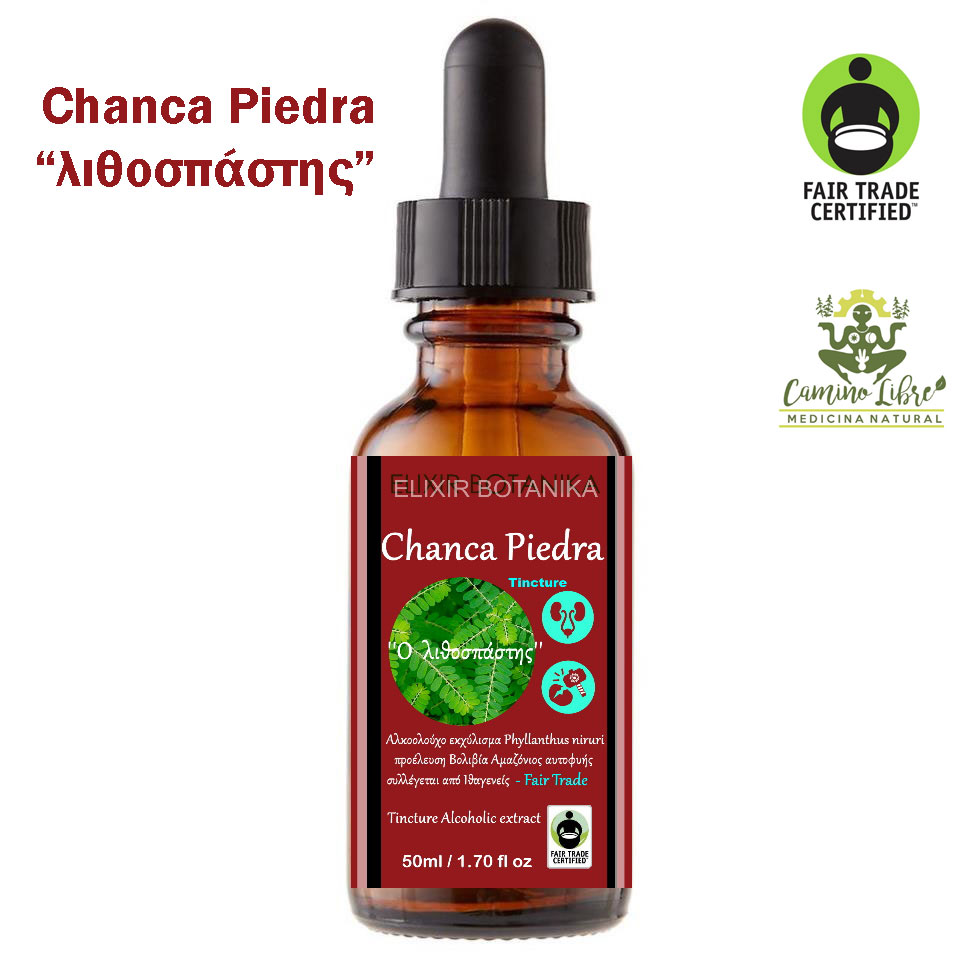
Chanca piedra (Phyllanthus niruri) extract 50ml
the famous stone cutter for kidney & gallstones!
Fair Trade product
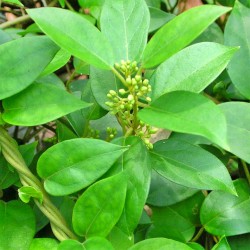
Chanca piedra is a shrub-like herb that grows in tropical regions of South America, such as the Amazon rainforest. Its scientific name is Phyllanthus niruri and it has powerful healing benefits. Also known as “stone breaker,” Chanca Piedra is traditionally used in Bolivia and the Amazon rainforest to treat kidney and gallstones (hence its name).
The alkaloids contained in Chanca Piedra have antispasmodic properties and relax the muscles of the urinary tract and bile ducts, thus facilitating the removal of stones .
This herb has other powerful properties for improving the health of the body such as antiviral, anti-inflammatory and antibacterial effects . Clinical research confirms its antiviral and antibacterial properties, which include the treatment of resistant bacteria such as Staphylococcus Aureus and Pasteurell pestis. Recent research results reveal its powerful action on the liver for the treatment of types of hepatitis B and hepatitis C.
Thanks to its anti-inflammatory, antispasmodic and muscle relaxant properties , it soothes inflammation of the kidneys, urinary tract, urethritis, gout, prostate inflammation, inflammation of the bile ducts, digestive system problems, digestive diseases, digestive disorders, bacterial infection of the intestines.
In addition, it helps with colds , flu (fights fever ), tuberculosis, fatigue, blastomycosis, leukorrhea, fungal infection , helps in the treatment of diabetes and AIDS . It supports and protects the liver by preventing gallstones and kidney stones. It is used in dermatology.
Kidney and gallstones
Chanca piedra helps reduce oxalate and uric acid levels in the urine, reducing the risk of kidney stones. One of the first studies of Chanca Piedra found that people who drank a traditional drink for 1 to 3 months had significantly reduced rates of kidney stones and gallstones. Another study found that chanca piedra extract, compared to tea, effectively prevented the formation of calcium oxalate crystals, the compounds that make up kidney stones. Other studies show that various forms of chanca piedra extracts inhibit the growth and number of stones and encourage the elimination of existing stones from the body.
Dosage – method of use*
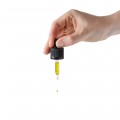
We take 10-20 drops (chanca piedra extract), 3 times a day, 30 minutes before meals or 2 hours after meals for a period of 30 days. This is followed by a 1-week break and then for another 30 days and so on.
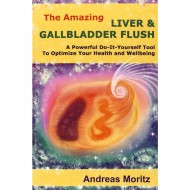
*For those following Andreas Moritz's instructions, the recommendation is for 30 drops three times a day , for one month before starting the Bile/Liver detox.
Special precautions
Chanca Piedra is not recommended for use by pregnant women or women taking fertility drugs. In traditional Bolivian medicine, this plant was used for abortions and can cause birth defects, so it should be avoided. It should also not be taken while breastfeeding or by children under 16 years of age. It may interact with medications, so if you are taking them, ask your doctor.
BIBLIOGRAPHY - ARTICLES
- Barros ME et al. Effects of an aqueous extract from Phyllantus niruri on calcium oxalate crystallization in vitro. Urol Res. 2003 Feb;30(6):374-9.
- Freitas AM et al. The effect of Phyllanthus niruri on urinary inhibitors of calcium oxalate crystallization and other factors associated with renal stone formation. BJU Int. 2002 Jun;89(9):829-34.
- Pucci ND et al. Effect of Phyllanthus niruri on metabolic parameters of patients with kidney stones: a perspective for disease prevention. Int Braz J Urol. 2018 Jul-Aug; 44(4): 758–764.
- Cealan A et al. Evaluation of the efficacy of Phyllanthus niruri standardized extract combined with magnesium and vitamin B6 for the treatment of patients with uncomplicated nephrolithiasis. Med Pharm Rep. 2019 Apr; 92(2): 153–157.
- Safavi M et al. Medicinal plants in the treatment of Helicobacter pylori infections. Pharm Biol. 2014 Nov 28:1-22.
- Ranilla LG et al. Antimicrobial activity of an Amazon medicinal plant (Chancapiedra) (Phyllanthus niruri L.) against Helicobacter pylori and lactic acid bacteria. Phytother Res. 2012 Jun;26(6):791-9.
- Liu S et al. In vitro and in vivo anti-hepatitis B virus activities of the lignan nirtetralin B isolated from Phyllanthus niruri L. J Ethnopharmacol. 2014 Nov 18; 157:62-8.
- Wang BE. Treatment of chronic liver diseases with traditional Chinese medicine. J Gastroenterol Hepatol. 2000 May;15 Suppl:E67-70.
- Al Zarzour RH et al. Phyllanthus Niruri standardized extract alleviates the progression of non-alcoholic fatty liver disease and decreases atherosclerotic risk in Sprague–Dawley Rats. Nutrients. 2017 Jul; 9(7): 766.
- Srividya N et al. Diuretic, hypotensive and hypoglycaemic effect of Phyllanthus amarus. Indian J Exp Biol. 1995 Nov;33(11):861-4.
- Khanna AK et al. Lipid lowering activity of Phyllanthus niruri in hyperlipemic rats. J Ethnopharmacol. 2002 Sep;82(1):19-22.
- Lee NYS et al. The pharmacological potential of Phyllanthus Niruri. J Pharm Pharmacol. 2016 Aug;68(8):953-69.
- Ranilla LG et al. Phenolic compounds, antioxidant activity and in vitro inhibitory potential against key enzymes relevant for hyperglycemia and hypertension of commonly used medicinal plants, herbs and spices in Latin America. Bioresour Technol. 2010 Jun;101(12):4676-89.
- Okoli CO et al. Studies on the possible mechanisms of antidiabetic activity of extract of aerial parts of Phyllanthus niruri. Pharm Biol. 2011 Mar;49(3):248-55.
- Ishimoto H et al. In vivo anti-inflammatory and antioxidant properties of ellagitannin metabolite urolithin A. Bioorg Med Chem Lett. 2011 Oct 1;21(19):5901-4.
- Bao Y et al. Water for preventing urinary stones. Cochrane Database of Systematic Reviews. 2012 Jun 13;(6):CD004292.
- McHarg T et al. Influence of cranberry juice on the urinary risk factors for calcium oxalate kidney stone formation. BJU Int. 2003 Nov;92(7):765-8.
- Ferraro PM et al. Dietary protein and potassium, diet-dependent net acid load, and risk of incident kidney stones. Clin J Am Soc Nephrol. 2016 Oct 7; 11(10): 1834–1844
- Melzig MF. Goldenrod—a classical exponent in the urological phytotherapy. Wien Med Wochenschr. 2004 Nov;154(21-22):523-7.