



Menu
Your Cart

Cretan Mountain Tea / Malotira (Sideritis syriaca) – Bunch ~50g

Cretan Mountain Tea / Malotira (Sideritis syriaca) – Bunch ~50g
3.50€
Ex Tax: 3.50€
  • Stock: In Stock
  • Model: SUP-0367
Cretan Mountain Tea ( Sideritis syriaca .), Sideritis, Greek Mountain Tea (about 50g)
Other Names: Sideritis, Malotira

Sideritis syriaca , also known as mountain tea or sleepyhead, is a herbaceous plant or shrub 10-50 cm. high that is found at high altitudes of Western Crete (above 900m). The species is endemic to Crete and the name syriaca (instead of cretica) probably comes from confusion on the part of the botanist who named it.

Its leaves are small and fluffy, while in the summer it forms spikes of yellow flowers. The honeysuckle has unfortunately declined dramatically from the mountains, mainly due to overgrazing and excessive collection. Some claim that this population decline has coincided with the Chernobyl disaster. Thus, the incredible honey that was produced from its flowers until the 1980s is no longer produced almost anywhere.

The Venetians seem to have learned its use from the Cretans against colds, stomach and respiratory ailments. According to one version, the name maletira comes from the Italian words male (illness) and tirare (to pull, to expel), expressing its therapeutic properties. Alternatively, it is believed that the word comes from the word mallotos = hairy, due to its fluffy leaves.
 
Malotira, the miraculous

Sideritis syriaca is considered a miracle plant. As mentioned above, it is used for new generation drugs against Alzheimer's, as a memory enhancer. In addition, it acts as an anti-inflammatory, bacteriostatic, antioxidant, antimicrobial, stomachic, diaphoretic, tonic, anti-irritant and anti-anemic.

Modern scientific research has revealed the presence in the plant of valuable flavonoid substances with various pharmacodynamic effects, such as stimulation of cardiac function, reduction of pressure and function against capillary fragility.

Also, the malotira has a diuretic effect and protects against colds . However, the best thing is that, unlike other aromatic plants and herbs, the malotira has no side effects in case of large or frequent consumption. As Dr. Economakis says, "unlike other aromatic plants and herbs, which should be consumed in moderation, the malotira is... immoderate. It is not a medicine and a drug at the same time, depending on the dose and frequency of consumption. Everything else requires moderation, the malotira does not. No matter how much one consumes, one will never face a problem"...
 
(The above information from neakriti.gr and cretanbeaches.com)

Basic Properties: Soothing, calming, stomachic, analgesic, antimicrobial, anti-inflammatory, antioxidant, anxiolytic, healing

Uses: for Colds and flu, for the proper functioning of the respiratory system, for Edema (inflammation), It is believed
that it is beneficial for the blood vessels of the heart, for urinary tract infections, for the prevention and treatment of Alzheimer's disease

How is it used:
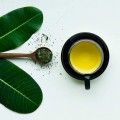
as an infusion: 1 teaspoon in 1 cup of water for about 10 minutes. Drink 3 times a day

Special precautions:
There are no known risks from the use of Siderite/Mountain Tea.