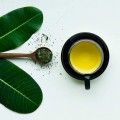
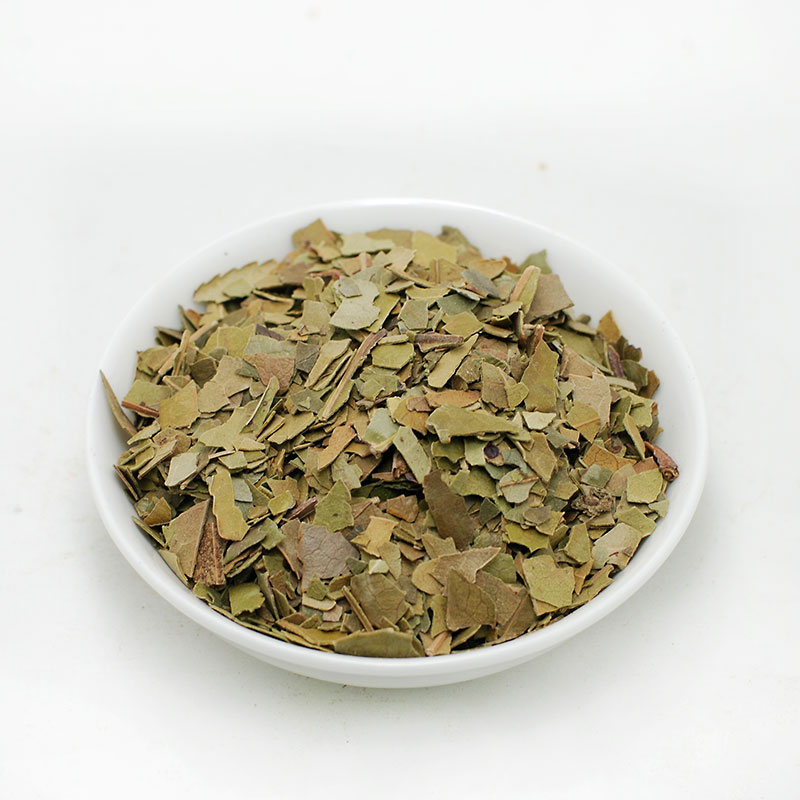
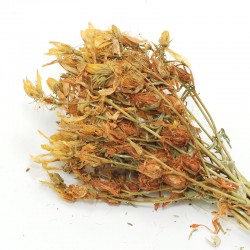
Therapeutic properties: Koumaria acts as an antiseptic, diuretic, anti-inflammatory, astringent and hemostatic.
Uses: Helps with inflammation problems and other diseases of the urinary tract such as cystitis, urethritis, enuresis, dysuria, hematuria and uterine bleeding. It is a tonic for weakened organisms to which it is administered together with wine, cinnamon and sugar.
Preparation and dosage: The leaves are prepared as a decoction which is drunk for inflammatory problems. The fruits are eaten for constipation or indigestion problems but in limited quantities. For weakened organisms, dissolve ripe kumara in wine without preservatives and add a cup of water in which we have boiled cinnamon and sugar.
Precautions: The kumara should be eaten by those with constipation when they are fasting and should not eat more than 3 to 4 fruits. If they eat too many, they weigh down the stomach and cause a headache. The kumara should be eaten when they are completely ripe. If we consume them when they are overripe, they turn sour due to fermentation and the formation of alcohol. If we eat enough of them, we risk poisoning. If we eat unripe fruits, they are tasteless and astringent and can cause regurgitation and vomiting. Therefore, we eat them only when they are completely ripe when they are sweet and delicious. (Information from an article by Sakis Kouvatsos in "Chaniotika Nea")
PSYLLIUM (PSYLLIUM) GRATED BIO It is a mild laxative without affecting the intestinal mucus. Organic farming from India for whole seeds see here Psyll..
Borage (Borago officinalis), Borage-starflower For conditions such as colic, cramps and diarrhea of the gastrointestinal system, pneumonia, colds, ast..