


Menu
Your Cart

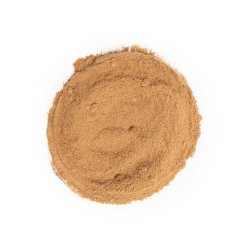
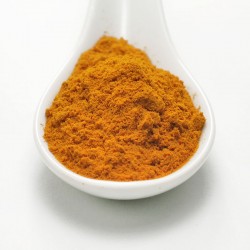
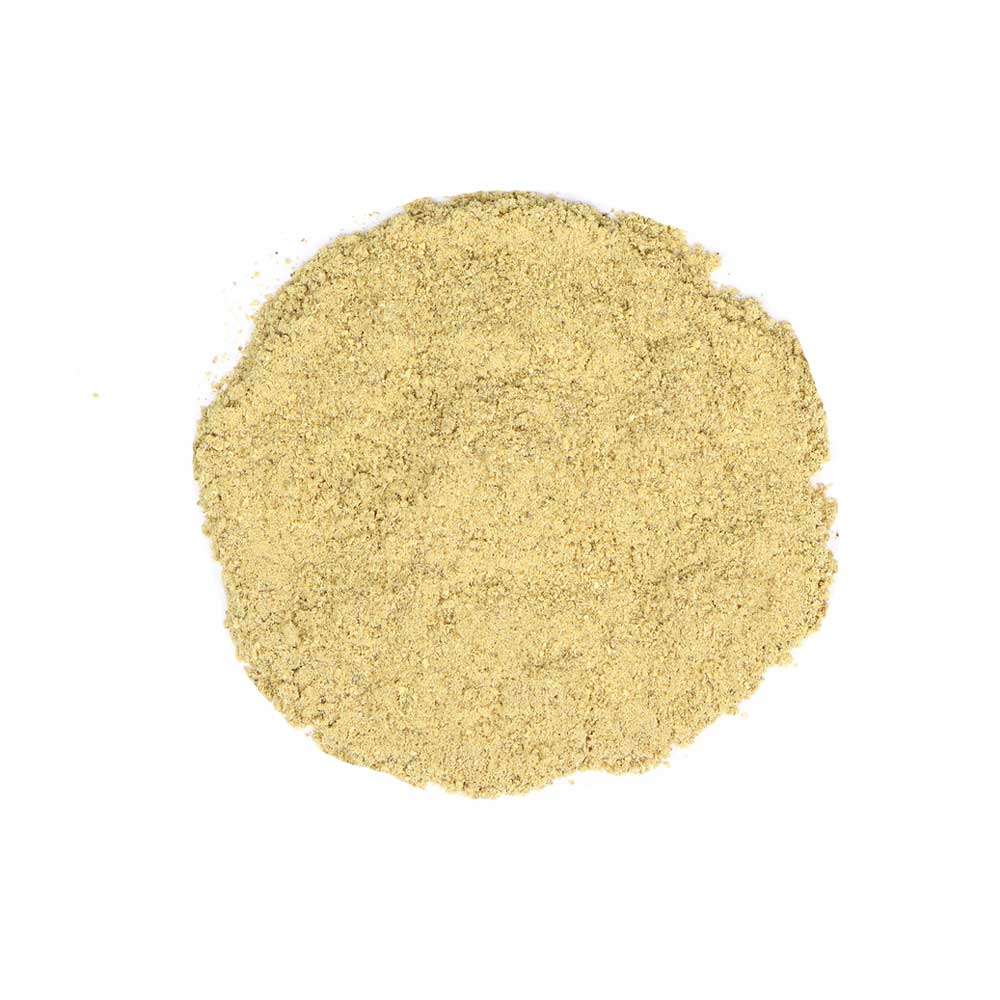
TRIBULUS POWDER (TRIBULUS TERESTRIS) 80g - Bulgarian

TRIBULUS POWDER (TRIBULUS TERESTRIS) 80g - Bulgarian
3.60€
Ex Tax: 3.60€
  • Stock: In Stock
  • Model: SUP-0361

TRIBULUS POWDER (TRIBULUS TERESTRIS) 80g - Bulgarian

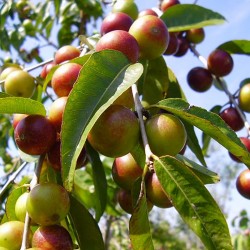
Tribulus (Tribulus terrestris), Devil's-Weed
Other Names: Pentaxyli, devil's thorn, trioli

The word Tribulus comes from the ancient Greek ΤΡΙΒΟΛΟΣ (trivolos), meaning 3-rayed and probably refers to the spiny schizocarp (which is usually four-rayed!). Its popular name in modern Greek is still "trivoli". The plant Tribolus is mentioned by Theophrastus and Dioscorides. Tribulus terrestris has long been used in both the Indian and Chinese systems of medicine to treat various types of diseases. Its various parts contain a variety of chemical constituents that are pharmaceutically important, such as: flavonoids, flavonol glycosides, steroidal saponins and alkaloids.

The properties of Tribulus terrestris are:
Diuretic, aphrodisiac, anti-urolytic, immunomodulatory, anti-diabetic, absorption enhancer, hypolipidemic, cardiotonic, central nervous system stimulant, hepatoprotective, anti-inflammatory, analgesic, antispasmodic, anticancer, antibacterial, anthelmintic, larvidicidal and anticarcinogenic.

Tribulus in traditional medicine
Tribulus terrestris is used in folk medicine as a tonic, aphrodisiac, sedative, astringent, stomachic, antihypertensive, diuretic, lithotriptic and urinary disinfectant. The dried thorny fruit of the herb is very effective in most urinary system disorders.
It has been used in the traditional medicine of India (Ayurveda), China, the Arabs (Yunani) and Bulgaria for the treatment of impotence, venereal diseases and sexual weakness, also for the removal of urinary tract stones, for the treatment of eye problems, for the restoration of the liver, mastitis, flatulence, acute conjunctivitis, headache and vitiligo.

What are the possible uses and benefits according to modern research?
In the last few decades or so, extensive research work has been done to demonstrate its biological activities and the pharmacology of its extracts. The uses of Tribulus terrestris may include the following:

  • To enhance sexual function
    Tribulus increases sperm production There have also been numerous studies that have shown that taking tribulus terrestris for 2-3 months increases libido in both men and women. Specifically, sex drive increased by 79% in men who took 750-1500 mg of tribulus terrestris daily for 2 months and 67% in women with low libido who took 500-1500 mg for 90 days.
  • For the consequences of menopause
    Tribulus terrestris has been claimed to help treat certain symptoms associated with menopause, such as hot flashes and sleep disturbance.
  • For cancer treatment
    Tribulus has shown anti-cancer activities in laboratory studies. It has not been tested in humans as a cancer treatment.
  • To reduce blood pressure
    Tribulus extract can relax blood vessels and may help lower blood pressure. It has also shown cardiotonic effects.
  • For managing Sugar & Cholesterol levels
    Research shows that Tribulus terrestris may help manage blood sugar and cholesterol levels in people with type 2 diabetes.
  • To improve muscle strength and muscle mass
    Tribulus has been shown to significantly alleviate muscle damage and promote anaerobic performance in a study conducted on male professional boxers.
  • For the treatment of infections
    Tribulus has shown antifungal activities in laboratory studies.
  • To reduce pain
    Tribulus extract reduced inflammation in laboratory studies.
  • For the treatment of kidney stones
    Tribulus can promote urination and stop the formation of calcium compounds that cause kidney stones.

How to use & Dosage

Traditional dosages of the fruit powder range from 2-3 grams per day. The dosage of modern research on Tribulus terrestris in powder form ranges from 250-1,500 mg per day for the treatment of sexual dysfunction. Dissolve in water or juice and use for a period of up to 8 consecutive weeks. Then take a ten-day break. Start with one dose every other day and increase gradually.


Special precautions
The majority of studies show that Tribulus is safe with few side effects. However, there are some reports of more serious side effects associated with high doses or long-term treatment. The most common side effects are digestive symptoms such as nausea, vomiting, diarrhea, and stomach cramps. Heartburn and irritation of the lining of your digestive system are also common.
There have been reports of liver and kidney damage at unknown high doses and long-term use of Tribulus by bodybuilders. There are three case reports of blood clots in patients who took a supplement containing Tribulus while also taking an anticoagulant called clopidogrel.
Tribulus Terrestris has been proven to be beneficial and safe for many conditions. However, it should be taken with due caution and not overused. Due to its properties as a diuretic, antihypertensive, antidiabetic, its use should be with the consent of the doctor if you are taking medication due to the possibility of interactions. Avoid its use during pregnancy, breastfeeding and in children under 16 years of age due to lack of more data.


Indicative bibliography

A Comprehensive Review of the Phytochemical, Pharmacological, and Toxicological Properties of Tribulus terrestris L
Pro-sexual and androgen enhancing effects of Tribulus terrestris L.: Fact or Fiction
The hormonal effects of Tribulus terrestris and its role in the management of male erectile dysfunction
Tribulus terrestris extracts alleviate muscle damage and promote anaerobic performance of trained male boxers and its mechanisms
Tribulus terrestris for treatment of sexual dysfunction in women
Efficacy of the Hydroalcoholic Extract of Tribulus terrestris on the Serum Glucose and Lipid Profile of Women With Diabetes Mellitus
Influence of Tribulus terrestris extract on lipid profile and endothelial structure in developing atherosclerotic lesions in the aorta of rabbits on a high-cholesterol diet
Phytopharmacological overview of Tribulus terrestris