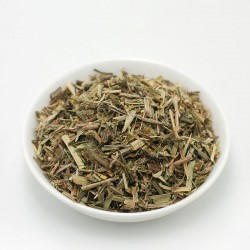
The herb has been used for centuries as Iranian folk medicine attributed antibacterial, antipyretic, antipruritic and antiarrhythmic properties to it. In Bulgaria it was used for chronic inflammatory diseases of the liver, gallbladder, kidneys and rheumatoid arthritis.
Basic Properties: Choleretic, antiemetic, bitter tonic, laxative, antidiabetic, reduces insulin resistance, increases friendly bacteria in the intestine.
Barberry is an important source of berberine
Berberine is the main active compound from the plant Berberis (it can be extracted from various plants such as Goldenseal ). It also has a long history of use in traditional Chinese medicine. Berberine has a variety of functions within cells. One of its main functions is to activate an important enzyme called AMPK, which regulates metabolism. Some studies show that berberine can contribute to significant weight loss , while improving many other health indicators. Studies also show that berberine reduces cholesterol and triglyceridelevels , while increasing levels of HDL (good) cholesterol. Although more research is needed, it may reduce the risk of heart disease in the long term. Preliminary studies suggest that berberine may have benefits against depression, cancer, infections, fatty liver, and heart failure . It also has strong antioxidant and anti-inflammatory effects. Berberine has been shown to help reduce blood sugar and HbA1c. It may be as effective as some diabetes medications.
Summary of health benefits of using berberine
Studies have shown that it acts as a powerful antioxidant , fighting cellular damage from free radicals.
Berberine may help lower blood sugar levels by improving how your cells respond to the hormone insulin.
It can help control cholesterol, triglycerides and blood pressure in the blood
It may help prevent metabolic syndrome and protect against obesity.
It may slow the progression of certain cancer cells . Since berberine acts as an antioxidant, it may help fight the underlying oxidative damage associated with cancer development. In addition, berberine may induce cancer cell death, prevent cancer cell proliferation, and inhibit enzymes involved in the cancer cell life cycle.
Berberine and other compounds in barberries may help fight inflammation and infections (specific mention is made of infections related to acne ).
berberine in a study reduced intestinal barrier permeability . It appears to act as a kind of super-fertilizer for healthy intestinal flora.
Other uses: Berberis is one of the best herbs for correcting liver function and enhancing bile flow. It is indicated when there is an inflammatory condition of the gallbladder or gallstones. An interesting action is its ability to reduce spleen swelling . Berberine prevents bacteria from reaching human cells, thus helping to avoid infections . It acts against malaria and is also effective in treating protozoal infections caused by Leishmania species.
How is it used: the root of the plant as a decoction: boil 1 teaspoon of dried Barberry root in a cup of water and leave for 10-15 minutes. drink 3 times a day.
Special precautions: Overall, berberine has an excellent safety profile. The main side effects are related to digestion, and there are some reports of diarrhea, constipation, and bloating. It should be avoided during pregnancy. Berberine may interact with certain medications, ask your doctor. Do not take it with cyclosporine. Berberine is not recommended for very young children. Pregnant women should not take it because it can cause uterine contractions and cause miscarriage. Berberine is also not recommended for nursing mothers,
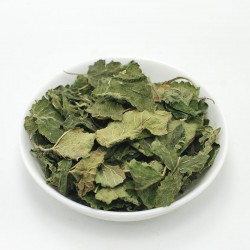
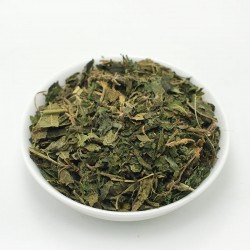
Lemon balm leaves, (Melissa off.), Balm Other Names: Bee, Honeybee, Wild Bee, Melittis It takes its name from the preference shown by bees for this le..
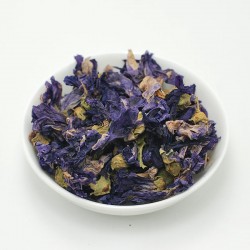
Mallow flowers, (Malva sylvestris), Mallow Other Names: The dried and fresh leaves and flowers are used as food and medicine. (Even today in some vill..
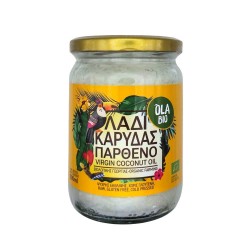
VIRGIN ORGANIC COCONUT OIL COLD PRESSED 500ml Virgin organic coconut oil 500ml, cold pressed, is a 100% natural product of high nutritional value. It ..
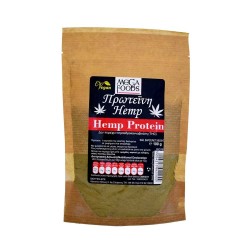
HEMP SEED PROTEIN POWDER BIO 100gr. Organic farming product from Romania (VIOUGEIA) Health benefits Protein powder is an excellent source of protein ,..
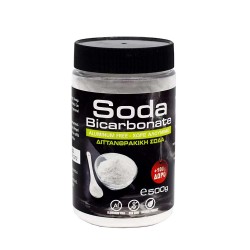
ALUMINUM & GLUTEN-FREE SODA 500g. Sodium bicarbonate, baking soda 100% aluminum-free gluten-free Sodium bicarbonate (baking soda) has been known to be..