






Menu
Your Cart

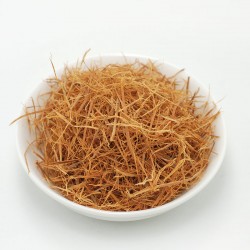
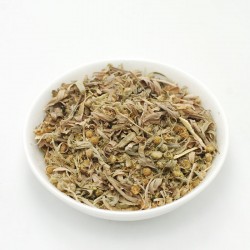
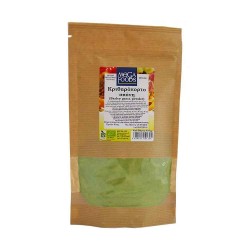
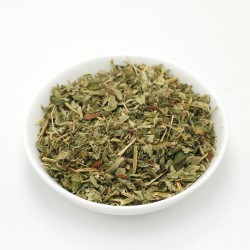
IPEROXO (LAPACHO) Pau D'arco, Taheebo bark - the panacea plant of the Amazon

IPEROXO (LAPACHO) Pau D'arco, Taheebo bark - the panacea plant of the Amazon
3.85€
Ex Tax: 3.85€
  • Stock: In Stock
  • Model: ΒΜΧ-0099

Available Options

Hyperoxo (Tabebuia avellanedae, impestiginosa), Lapacho, pau d'arco

Other names: Lapacho, Lapajo, Aztec tea, Taheebo
It has been used by the indigenous people of Central & South America to treat infectious diseases, lupus, cancer, wounds, etc.

Pau d'arco, also called taheebo, is native to South America, where it has been used to treat a wide range of conditions. There are nearly 100 species of pau d'arco, but only a few produce high-quality phytochemical material. It takes highly skilled collectors to know which species are most effective. There are reports of medicinal uses of pau d'arco tea dating back to 1873, and it was used in the Amazon rainforest as a "miracle" treatment for tumors with impressive anti-inflammatory effects.
The bark and wood of the tree are used externally and internally to treat: Arthritis, pain, prostate inflammation, fever, dysentery, boils, ulcers, various forms of cancer.

Let's see more about how Pau d'arco can help our health

  • Rich in lapachol and other antioxidants
    Pau d'arco tea contains several compounds, including quinoids, benzenoids, and flavonoids. These compounds have demonstrated biological activity against harmful organisms.
  • Reduces Pain
    Research shows that pau d'arco tea has the power to naturally reduce pain in patients suffering from cancer and other serious health conditions. It has the ability to reduce pain associated with various types of cancer, especially prostate, liver, or breast cancer. Drinking pau d'arco tea has also been found to help relieve arthritis pain.
  • Fights Candida
    Pau d'arco helps the body fight Candida. Candida, also known as candidiasis, is a common yeast infection that has been shown to contribute to many health problems, from sore throats to serious stomach problems.
  • Reduces Inflammation
    Pau d'arco increased the expression of Nrf2 target genes in the gut. Nrf2 is a protein that regulates the expression of antioxidant proteins that protect against oxidative damage caused by injury and inflammation.
  • Helps treat ulcers
    Pau d'arco extract significantly accelerated the healing of acetic acid-induced gastric ulcers (in rats) by increasing mucus content and cell proliferation. This suggests the possibility that pau d'arco could be a treatment for peptic ulcer disease in humans.
  • It has anticancer effects
    One of the most well-known effects of taheebo is its ability to fight cancer and relieve cancer-related pain according to preliminary animal studies. Beta-lapachone, a major compound in the pau d'arco plant, is a potential compound that can be added to cancer chemotherapy, particularly for prostate and lung cancer. It is one of the few new anticancer drugs under active investigation and shows promise for synergistic action with existing cancer therapies. In addition to its cytotoxic activity in various types of cancer, beta-lapachone has been found to have antimetastatic and anti-invasive abilities.
  • Provides antiviral and antifungal properties
    It has been shown in both in vitro and in vivo studies to actively inhibit, kill or prevent the growth of several dangerous viruses, such as: Herpes, poliomyelitis, vesicular stomatitis, avian myeloblastosis, leukemia, rous sarcoma virus,
  • Detoxifies the Body
    Drinking Pau d'arco tea is one of the best ways to detoxify. The blood vessels, lymphatic system, cells, tissues, and organs are all detoxified. This allows the body's systems to function properly and efficiently.
  • Pau d'arco may aid in weight loss
    Animal studies show that pau d'arco extract inhibits pancreatic lipase, an enzyme that helps your body digest and absorb dietary fat. Blocking it reduces fat digestion - resulting in fewer absorbable calories.
  • Rich in selenium
    Another powerful element in pau d'arco is selenium. It is an antioxidant that removes free radicals that damage cells and cause disease.

Dosage / How to use
In powdered form, pau d'arco is usually consumed in amounts of one to two grams (half or a teaspoon) 1-2 times a day.
How to make tea from Pau D'arco bark
1. Put 2 teaspoons of bark in 4 cups of simmering water.
2. Let the bark simmer for 20 minutes.
3. Remove from heat and let the tea cool for at least 1 hour.
4. Drain the water.
5. Drink the drink in small portions throughout the day or use it for external use and vaginal douching.

Special precautions
The use of Hypericum bark is generally considered safe.
Consuming high doses of pau d'arco can lead to nausea, diarrhea, and dizziness, so it's important to start with a very small dose and see how your body reacts. Pau d'arco can slow clotting and may interfere with healing in people with bleeding disorders. This can also increase the chance of bleeding during and after surgery. Be sure to stop using pau d'arco at least two weeks before a scheduled surgery.
Also, inform your doctor or avoid using the plant if you are being treated with anticoagulant and antiplatelet medications.
The use of iperoxo by pregnant or breastfeeding women should be avoided.
Indicative bibliography