




Menu
Your Cart

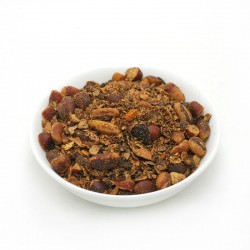
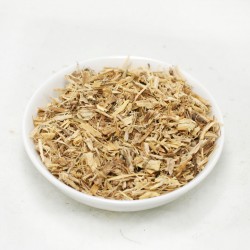
PYGEUM AFRICANUM BARK - for benign prostatic hyperplasia

PYGEUM AFRICANUM BARK - for benign prostatic hyperplasia
6.50€
Ex Tax: 6.50€
  • Stock: In Stock
  • Model: ΒΜΧ-0335

Available Options

PYGEUM AFRICANUM BARK - for benign prostatic hyperplasia

Pygeum africanum, Red Stinkwood
Other Names: Prunus Africana

The bark of the Pygeum Africanum tree, in powdered form, was traditionally added to water or milk by indigenous African tribes for urinary tract disorders. Later, European scientists were so impressed by the plant's effects that they began laboratory testing of the plant's active ingredients.

Basic properties:
anti-inflammatory action, including inhibition of the chemotactic action of leukotrienes, diuretic, tonic of the function and histology of the prostate gland

Uses
Pygeum is used to treat symptoms of benign prostatic hyperplasia . It is also used for pain caused by inflammation, kidney problems, urinary tract problems, malaria, fever, and to increase sexual desire.

How does it work?
Pygeum contains chemicals such as pentacyclic triterpenoids, which have diuretic effects; phytosterols, which have anti-inflammatory effects; and ferulic esters, which help remove cholesterol deposits from the prostate gland.
Pygeum is considered a safe and effective suggestion for men with mild to moderate benign prostatic hyperplasia.
To treat prostate hypertrophy, it combines very well with Epilobium, Serenoa, Pumpkin Seed or Pumpkin Oil.

How is it used:
The bark as a decoction: boil 1 teaspoon in 1 cup of water for 5-10 minutes. Drink 1-2 times a day.

Special precautions:
Rational use of Pygeum Africanum bark is generally considered safe. Symptoms of nausea or abdominal pain have been reported.
We do not know if the use of Pygeum Africanum by pregnant or breastfeeding women is safe.

Indicative bibliography:

A Review of the Potential of Phytochemicals from Prunus africana
Assessment report on Prunus africana (Hook f.) Kalkm., cortex