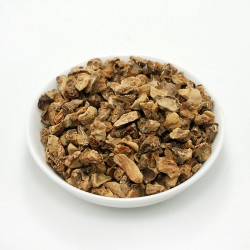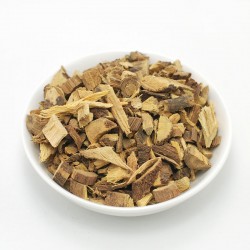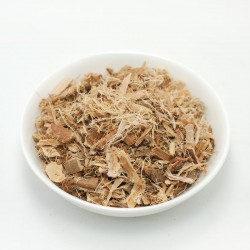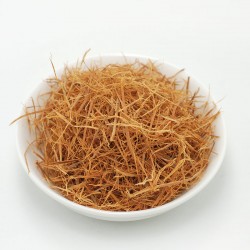





- Stock: In Stock
- Model: ΒΜΧ-0092b
Available Options
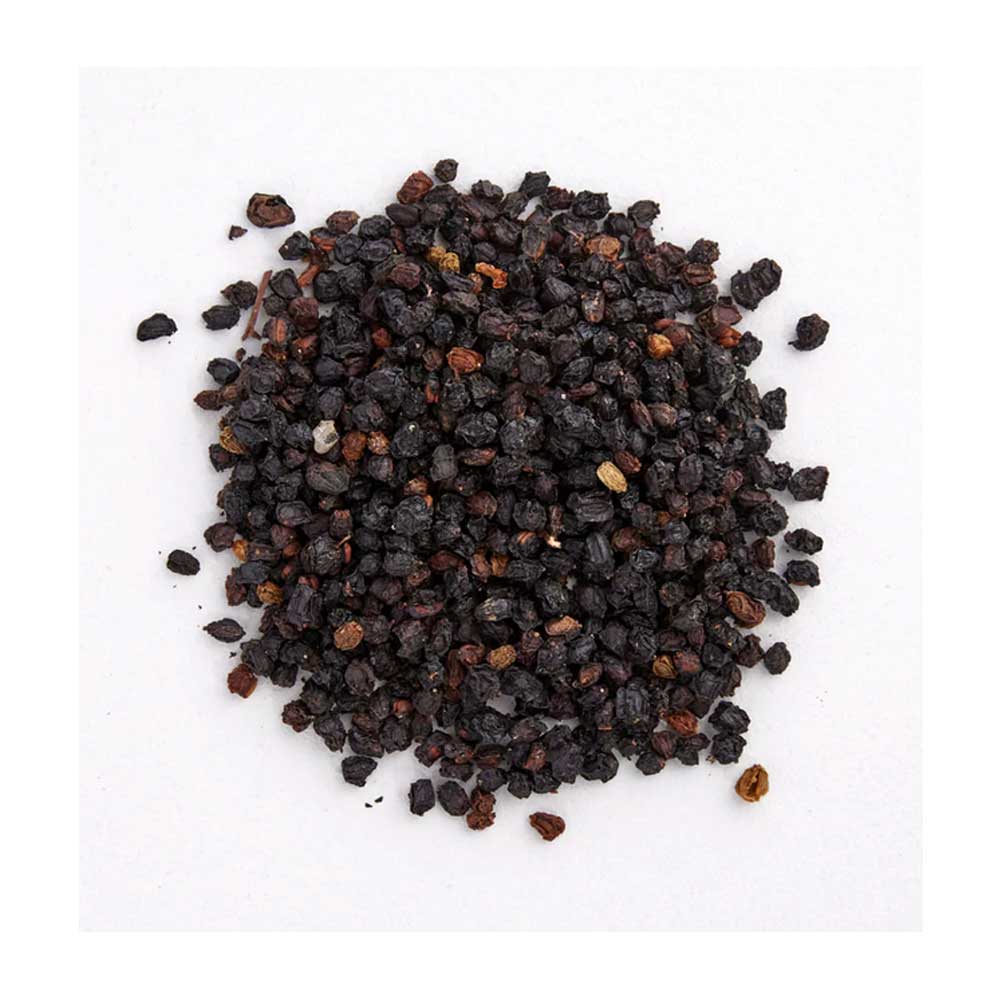
Elderberry (Sambucus nigra), Elderberry
Other Names: Elderberry, Afroxilia, Froxilia, Froxinanthi
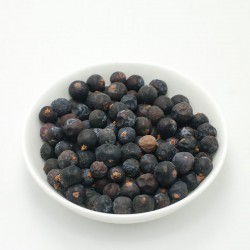
Elderberries, commonly referred to as elderberries, are small, dark purple fruits that grow on the Sambucus nigra plant. Elderberries are rich in antioxidants, vitamins, and minerals . While the seeds themselves are not usually consumed directly, they are often used to make elderberry-based products, such as syrups, extracts, and supplements. Here are some potential benefits associated with elderberries:
- Antioxidant support:
Elderberries are known for their high content of antioxidants, especially anthocyanins. These antioxidants help protect cells from oxidative stress and may contribute to overall health and well-being. - Immune system support:
Elderberries have been used for centuries to support immune system health. They are believed to have antiviral properties and may help boost the body's natural defenses against viral infections, including the common cold and flu. - Relief from cold and flu symptoms:
Elderberry preparations are often used to relieve cold and flu symptoms. They can help reduce the severity and duration of symptoms, such as fever, cough, and congestion. - Cardiovascular health:
Some research suggests that elderberries may have potential cardiovascular benefits. They may help support healthy blood pressure levels and promote heart health due to their antioxidant and anti-inflammatory properties.
How is it used:
Dried elderberries are commonly used to make elderberry-infused preparations, such as teas, syrups, tinctures, or extracts. To make an elderberry tea , steep 1 tablespoon of dried elderberries in 1 cup of water for about 15 minutes , then strain and enjoy.
Special precautions:
The fruits when fresh are not consumed due to toxicity. Due to the action of Elderberry to strengthen the immune system, consume with the advice of a specialist if you suffer from an autoimmune disease or are scheduled to have surgery in the next two weeks.