Licorice root, considered one of the oldest herbal medicines in the world , comes from the root of the plant Glycyrrhiza glabra. The medicinal use of licorice dates back to ancient Egypt, where the root was made into a sweet drink for the Pharaohs. It has also been used in traditional Chinese, Middle Eastern and Greek medicines to soothe the stomach, reduce inflammation and treat upper respiratory problems.
Basic Properties: tonic, anti-inflammatory, antiviral, tonic (adaptogenic herb), expectorant, emollient, mild laxative, endocrine agent, inhibits the production of cortisol in the body.
Uses : for Cough and bronchitis, respiratory infections, gastritis and peptic ulcer, chronic fatigue syndrome, mouth ulcers and canker sores, loss of appetite, adrenal gland problems, constipation.
Current research shows promise for several of the medicinal uses of licorice root.
Glycyrrhizin, hygrotrigenin, and glabridin are just some of the active substances in licorice that have powerful antiviral properties by reducing the reproduction of viruses and stopping their ability to penetrate and multiply within healthy cells.
Licorice extract is used to treat various skin conditions, including acne and eczema.
Licorice extract is often used to relieve symptoms of indigestion, such as acid reflux , upset stomach, and heartburn .
Licorice root extract and its glycyrrhizin may help treat peptic ulcers .
Due to its content in numerous plant compounds with antioxidant and anti-inflammatory activity , licorice extract has been studied for its protective effect against certain types of cancer .
Due to their anti-inflammatory and antimicrobial effects, both licorice root extract and tea may help upper respiratory tract conditions (asthma, pharyngitis, cough, bronchitis, respiratory infections).
Licorice root may help protect against bacteria that can lead to tooth decay .
Could lead to significant improvements in blood sugar levels and kidney health
It has been suggested as a treatment for hot flashes during menopause.
Some studies show that licorice root extract reduces body mass index (BMI) and supports weight loss.
A laboratory study showed that adding glycyrrhizin to a standard treatment for hepatitis C significantly reduced the spread of the virus.
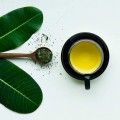
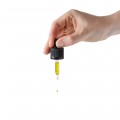
How is it used: as an infusion: half a teaspoon of chopped root in a cup of boiling water for 10-15 minutes. Drink 2-3 times a day. Alternatively, add licorice powder (a total of 5-6 grams per day) to a beverage and drink it. Continuous daily consumption of licorice should not exceed 2-3 weeks without the supervision of a specialist. Tincture : 20-30 drops 1-2 times a day
Special precautions: Chronic use and large* doses of licorice root may cause serious fluid and electrolyte imbalances. Children, pregnant and breastfeeding women, and those with kidney disease, heart disease, or high blood pressure should avoid licorice products.
Licorice root has been shown to interact with various medications, including blood pressure medications, blood thinners, statins, diuretics, estrogen-based contraceptives, and nonsteroidal anti-inflammatory drugs (NSAIDs).
It may cause a slight decrease in testosterone levels temporarily.
It is recommended to consume plenty of fresh fruits and vegetables to increase potassium, to help reduce the possibility of side effects.
*Long-term internal use of licorice (more than 2-3 weeks) in large quantities (over 10 g per day) should be done under the supervision of a specialist.
APRICOT KERNELS The new EFET instructions state that apricot kernels are not intended for human consumption. The diet of primitive man also included t..
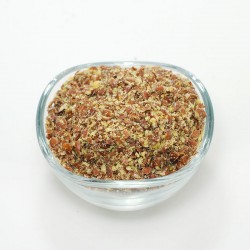
WHOLE ORGANIC FLAX SEED Flaxseed and the oil obtained from its extraction - linseed oil/linseed oil - have significant antioxidant properties. Flaxsee..
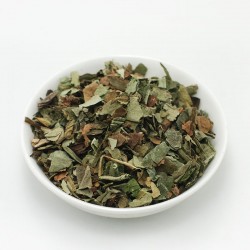
Lungwort (Pulmonaria officinalis), Lungwort Other Names: Pulmonary, Pneumonia Lungwort has been traditionally used in the treatment of coughs and bron..
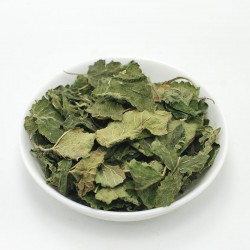
Lemon balm leaves, (Melissa off.), Balm Other Names: Bee, Honeybee, Wild Bee, Melittis It takes its name from the preference shown by bees for this le..