


- Stock: In Stock
- Model: ΒΙΟ-272
organic product from India
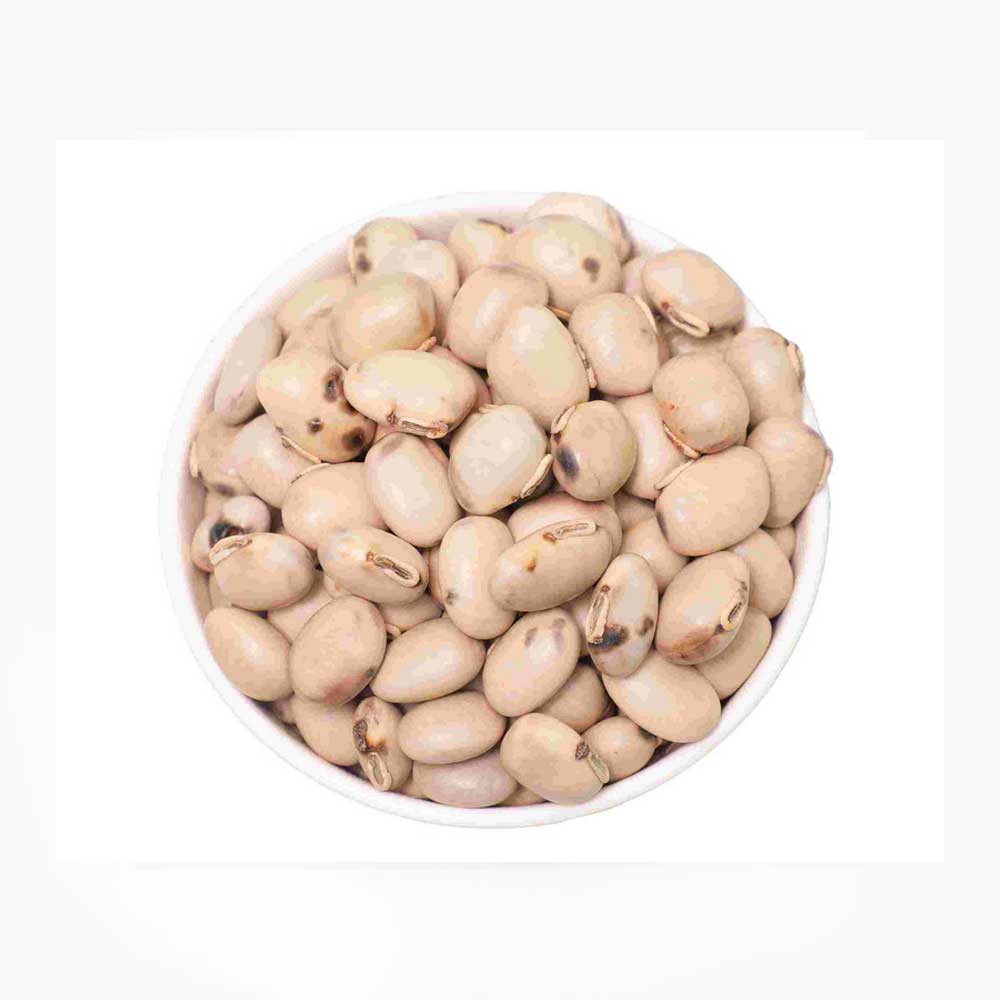
It has beneficial effects on all tissues of the body, but is particularly suitable for balancing the nervous, reproductive and digestive systems. It is interesting to see that the majority of research on Mucuna Pruriens feeds us with its potential use in the treatment of Parkinson's, while most people seek supplements with Mucuna as an anti-depressant, libido enhancer or as a testosterone supplement.
Mucuna pruriens is a very structural herb, which promotes muscle mass and body weight gain . Mucuna pruriens is mainly sweet and bitter, and is quite warming.
- Supports a healthy central and peripheral nervous system
- Supports the body's ability to handle stress
- It is a natural source of levodopa (L-dopa)
- Supports natural balance & posture
- Promotes healthy motor skills and coordination
- Improves energy and endurance
- Supports the intellect
- Supports libido
- Revitalizes both the male and female reproductive systems
Dosage – How to use
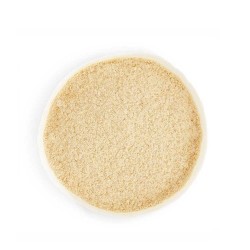
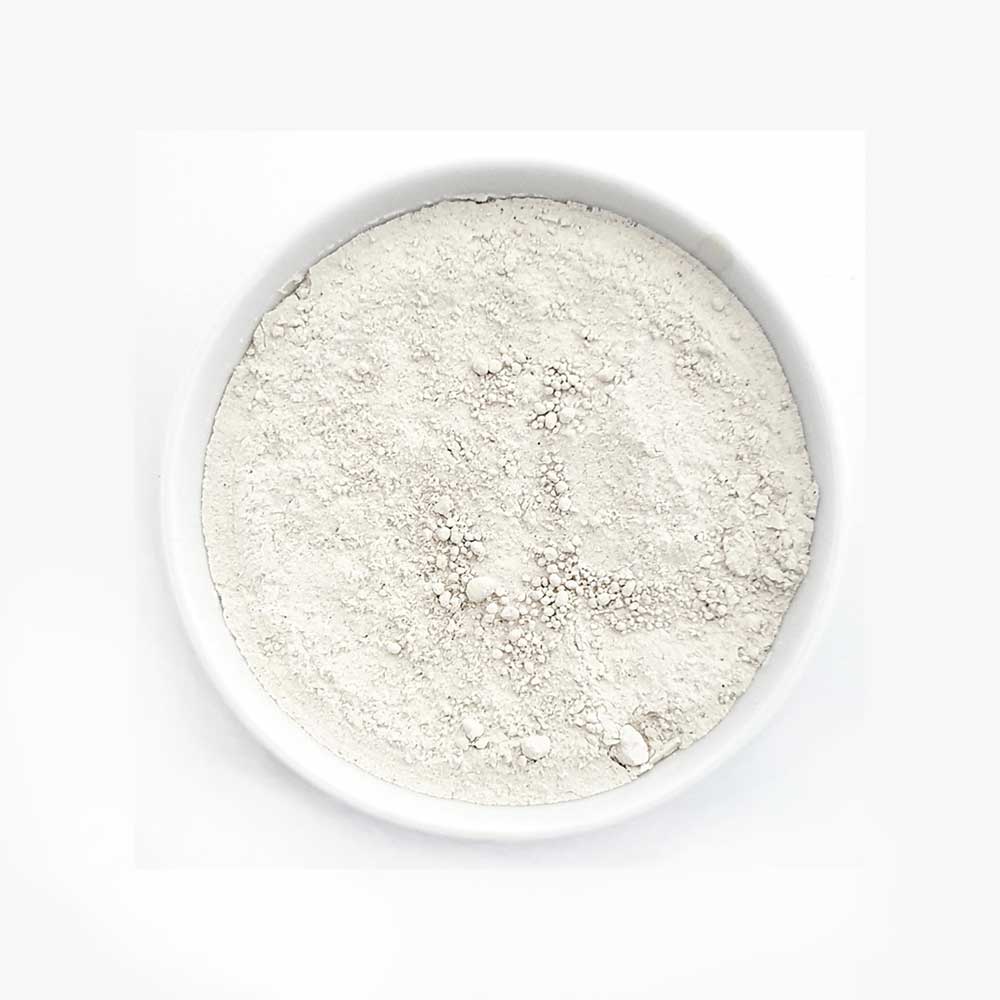
Mucuna pruriens powder offers the full experience of tasting the herb and also provides the most economical option for purchasing it. A typical dosage of the powder is 1/2 teaspoon, once or twice daily or as directed by your doctor.
Mucuna pruriens powder can be taken with water, milk, ghee, honey, or juice.
Modern research on Mucuna pruriens
There has been a fair amount of scientific research evaluating the benefits of Mucuna pruriens. Some of these research studies are listed below:
- "Mucuna pruriens in Parkinson's Disease: A Double Blind Clinical and Pharmacological Study." PubMed Abstract. December 20048
- "An Alternative Medicine Treatment for Parkinson's Disease: Results of a Multicenter Clinical Trial. HP-200 in Parkinson's Disease Study Group." PubMed Abstract. Fall 1995.9
- "Medicinal Plants of India With Anti-Diabetic Potential." PubMed Abstract. June 2003.5
Side effects
Few adverse effects have been reported in clinical studies involving Mucuna pruriens seed powder. In an open-label study involving a Mucuna pruriens derivative, mild adverse effects - mainly gastrointestinal in nature - were reported. In combination with monoamine oxidase inhibitors (MAOIs), levodopa (a component of Mucuna pruriens) may cause high blood pressure. 6
Contraindications
Mucuna pruriens should be avoided in cases of high concentrations (toxicity), congestion, or in acute conditions. 1
It should be used with caution during pregnancy and while breastfeeding, because it may affect prolactin secretion. 6
Avoid if there are known allergies to Mucuna pruriens, its ingredients, or other members of the Fabaceae family. 6
Mucuna pruriens should also be avoided by patients with psychosis or schizophrenia. 6
Due to the potential for additive effects or interactions, use Mucuna with caution if you are diabetic, or on medication with antidiabetics, anticoagulants, antiepileptics, antidepressants, levodopa, dopamine, dopamine agonists, dopamine antagonists, or dopamine reuptake inhibitors. 6
If you are taking prescription medications of any kind, it is always best to check and ask your doctor/therapist before introducing an herbal regimen.
Bibliography
- Pole, Sebastian. Ayurvedic Medicine: The Principles of Traditional Practice. Churchill Livingston Elsevier, 2006. 77, 206.
- "Mucuna pruriens." Wikipedia. Online. Apr 5 2012. http://en.wikipedia.org/wiki/Mucuna_pruriens
- Gogte, Vaidya VM Ayurvedic Pharmacology & Therapeutic Uses of Medicinal Plants. Reprint. Chaukhambha Publications, 2009. 329-330.
- “Dopamine.” Wikipedia. Online. Apr 10 2012. http://en.wikipedia.org/wiki/Dopamine
- Grover, JK, S. Yadav, and V. Vats. "Medicinal Plants of India With Anti-Diabetic Potential." Journal of Ethnopharmacology. 81.1 (2002): 81-100. http://www.ncbi.nlm.nih.gov/pubmed/12020931?dopt=Abstract
- “Cowhage (Mucuna pruriens).” Natural Standard: Professional Monograph. Online. Apr 10 2012. http://www.naturalstandard.com/databases/herbssupplements/cowhage.asp
- Vadivel, V. and K. Janardhanan. "Nutritional and Anti-Nutritional Composition of Velvet Bean: An Under-Utilized Food Legume in South India." International Journal of Food Sciences and Nutrition. 51.4 (2000): 279-287. Online. PubMed. Apr 11 2012. http://www.ncbi.nlm.nih.gov/pubmed/11027039?dopt=Abstract
- Katzenschlager, R., et al. "Mucuna pruriens in Parkinson's Disease: A Double Blind Clinical and Pharmacological Study." Journal of Neurology, Neurosurgery, and Psychiatry. 75.12 (2004): 1672-7. http://www.ncbi.nlm.nih.gov/pubmed/15548480?dopt=Abstract
- "An Alternative Medicine Treatment for Parkinson's Disease: Results of a Multicenter Clinical Trial. HP-200 in Parkinson's Disease Study Group." Journal of Alternative and Complementary Medicine. 1.3 (1995): 249-255. http://www.ncbi.nlm.nih.gov/pubmed/9395621?dopt=Abstract